The New Frontier of Fame: When Data Becomes the Star
For decades, the concept of celebrity was built on a foundation of scarcity and distance. We saw stars on silver screens, heard them on the radio, and occasionally caught a glimpse of their lives through the lens of a paparazzi camera. However, the dawn of Artificial Intelligence (AI) has shattered this traditional paradigm. Today, the line between a celebrity’s physical presence and their digital footprint is blurring, creating a new era where fame is no longer tethered to the constraints of the human body.
As AI reshapes the music industry, it’s essential to understand the historical ways in which music shapes global culture and defines the influence of iconic stars.
We are witnessing a fundamental shift in how we perceive, consume, and interact with modern icons. From AI-generated music tracks that sound indistinguishably like top-tier artists to digital clones that can interact with fans in real-time, the technology is not just changing the industry; it is redefining the very essence of what it means to be a public figure.
The Rise of the Synthetic Star and Virtual Presence
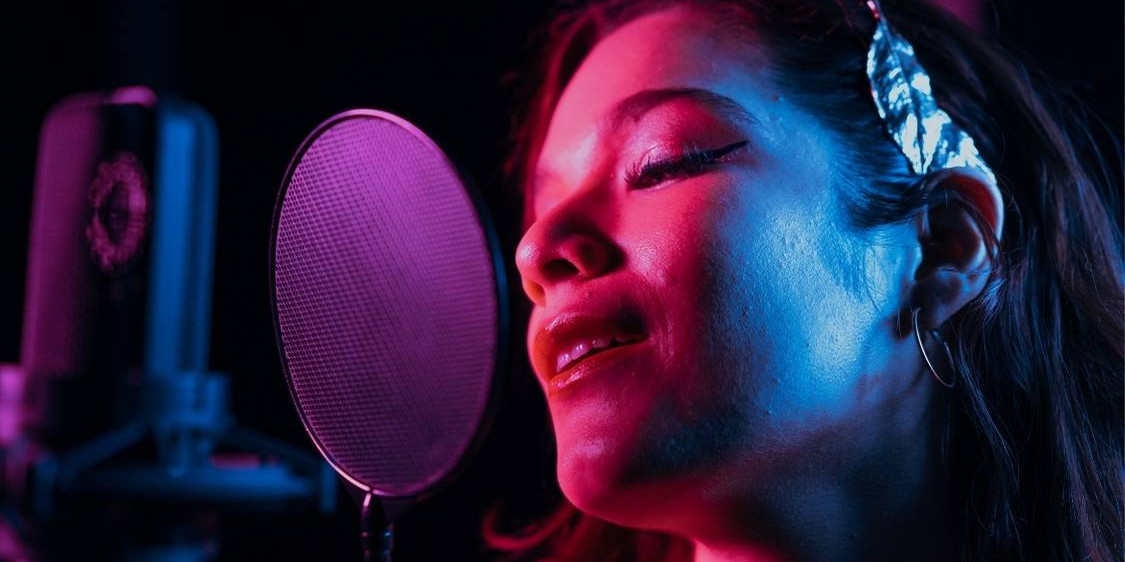
The first major tremor in this cultural earthquake occurred when an AI-generated song featuring the voices of Drake and The Weeknd went viral. The track, created by an anonymous user, was so convincing that it forced the music industry to reckon with a reality where a star’s voice—their most personal instrument—could be decoupled from their personhood. This marked the beginning of the ‘synthetic star’ era.
Modern celebrities are now beginning to embrace this shift rather than fight it. We are seeing a move toward ‘digital twins’—hyper-realistic avatars that can perform in music videos, star in advertising campaigns, or even hold virtual concerts while the real artist is thousands of miles away. This allows for a level of brand scalability that was previously impossible. A celebrity can now be in a hundred places at once, speaking a dozen different languages, all through the power of generative AI.
Breaking the Fourth Wall with AI Chatbots
Perhaps the most intimate change is how AI is altering the fan-celebrity relationship. Platforms like Meta have already begun rolling out AI chatbots based on the likenesses and personalities of stars like Kendall Jenner and Snoop Dogg. These are not just automated messaging systems; they are sophisticated LLMs (Large Language Models) designed to mimic the conversational style of the star.
For the fan, this creates a psychological paradox. While we know we are speaking to a machine, the ‘always-on’ nature of these AI personas satisfies a deep-seated desire for connection. The ‘untouchable’ star is now accessible 24/7, providing a personalized experience that, while artificial, feels increasingly real to the digital-native generation.
The Ethics of Digital Resurrection and Preservation
One of the more controversial aspects of AI in pop culture is its ability to bring the past back to life. ‘Digital resurrection’ has moved from a niche visual effect to a mainstream storytelling tool. We have seen AI used to de-age Harrison Ford in Indiana Jones, and even more provocatively, to create new performances from stars who have long since passed away, such as James Dean or Edith Piaf.
This capability raises profound ethical questions that the industry is still struggling to answer:
- Likeness Ownership: Who owns the right to a celebrity’s face and voice after they are gone?
- Creative Integrity: Is it ethical to ‘cast’ a deceased actor in a role they never agreed to play?
- The Uncanny Valley: At what point does a digital recreation become more a distraction than a tribute?
- Economic Implications: How does the use of AI performers affect the job market for living, breathing actors and artists?
As these technologies become more refined, the distinction between a ‘live’ performance and a ‘rendered’ one will likely vanish, forcing audiences to decide if they value the soul of the performance or the perfection of the output.
Redefining Authenticity in an Age of Automation
As AI becomes more prevalent, the ‘authenticity’ of a celebrity is becoming their most valuable—and most fragile—asset. In a world where deepfakes can place a celebrity in any situation and AI can write a pop star’s social media captions, fans are becoming hyper-aware of what is ‘real.’ This has led to a counter-movement where raw, unpolished, and ‘human’ moments are prized more than ever.
The modern celebrity must now navigate a dual existence. On one hand, they must leverage AI to stay relevant and productive in a fast-paced digital economy. On the other, they must prove their humanity to maintain a genuine connection with their audience. The stars who will thrive in this new landscape are those who can use AI as a tool for creativity without losing the ‘spark’ that made them famous in the first place.
Conclusion: The Future of the Human Icon
We are currently in the ‘Wild West’ of AI in entertainment. The rules are being written in real-time, and the boundaries are being tested daily. What is clear is that the way we see celebrities has changed forever. They are no longer just people; they are brands, datasets, and digital legacies that can live on indefinitely.
As we move forward, the challenge for both celebrities and the public will be to find a balance. We must embrace the incredible creative possibilities that AI offers while fiercely protecting the human elements—empathy, vulnerability, and unpredictability—that make celebrity culture so captivating to begin with. The star of the future may be part code and part flesh, but our fascination with them remains entirely human.