

In the past decade, the entertainment landscape has undergone one of the most significant shifts in modern media history. The rise of streaming platforms has completely redefined how, when, and where audiences consume content. Traditional television, once the centerpiece of every household, is now struggling to keep up with an on-demand, mobile-first generation.
The streaming revolution isn’t just a trend — it’s a permanent cultural and technological transformation reshaping the way people experience entertainment.
The Shift from Scheduled to On-Demand
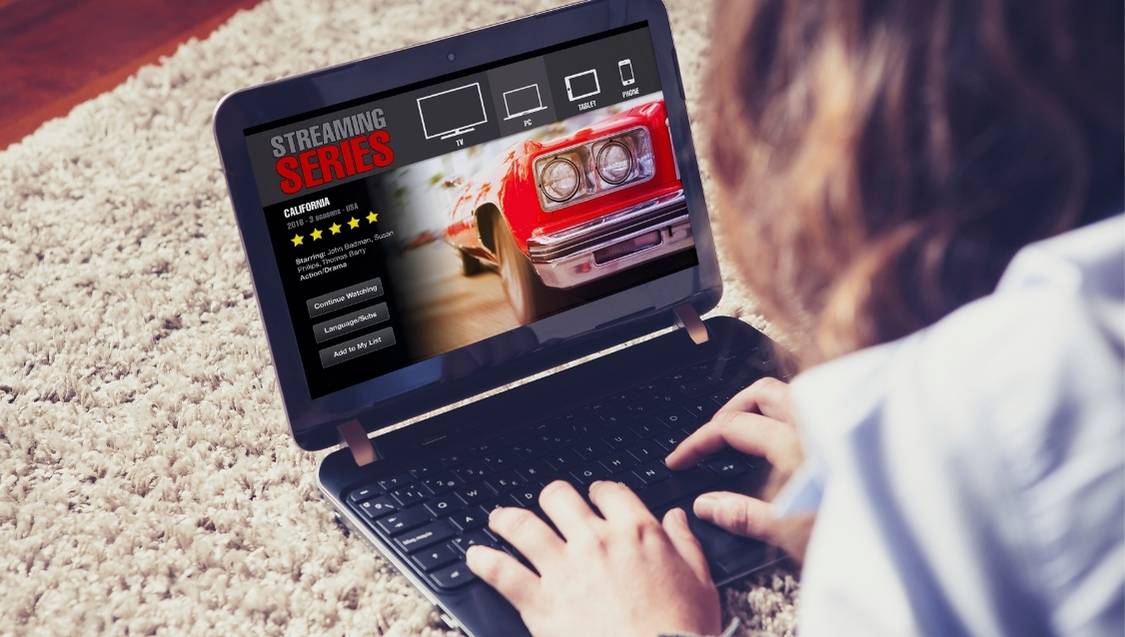
The appeal of streaming begins with freedom. Viewers no longer want to wait for scheduled broadcasts or sit through commercials. Instead, they prefer instant access to content — available anytime, anywhere, across multiple devices.
Platforms like Netflix, Hulu, Disney+, and Amazon Prime have set a new standard by offering vast libraries of movies, series, and documentaries with a single click. This personalized, user-driven experience has turned passive audiences into active content curators.
Traditional television, tied to fixed programming schedules, has struggled to adapt to this demand for convenience and control.
The Power of Personalization
One of the greatest advantages of streaming services is their use of data-driven personalization. Algorithms learn user behavior and preferences, delivering recommendations that keep viewers engaged longer.
This individualized experience gives audiences a sense of ownership over their entertainment choices — something cable TV could never provide. The result is a more immersive and satisfying viewing journey, where every suggestion feels tailored to personal taste.
Global Access and Original Content
Streaming has also democratized entertainment by breaking down geographical and cultural barriers. Viewers can now discover international shows and films with ease, while creators from around the world gain exposure on a global scale.
Moreover, the success of original programming — from Netflix Originals to Apple TV+ exclusives — has shifted industry power away from traditional networks. High-quality productions are no longer limited to television studios; they’re being created and distributed directly through streaming platforms, giving rise to new talent and fresh storytelling perspectives.
Why Traditional TV Is Losing Relevance
The decline of traditional television can be attributed to several key factors:
- Rigid programming schedules that limit flexibility
- Commercial interruptions that disrupt viewing experiences
- Higher costs compared to affordable subscription models
- Limited accessibility for global or younger audiences
Simply put, modern viewers want choice, convenience, and control — three things streaming delivers effortlessly.
The Future of Entertainment
As streaming technology continues to evolve, we’re moving toward a more interactive, integrated entertainment ecosystem. The next phase will likely merge streaming with artificial intelligence, immersive experiences, and cross-platform storytelling — allowing users to engage with content in entirely new ways.
While traditional TV may not vanish entirely, its role will continue to diminish as on-demand platforms dominate the cultural conversation. The era of passive viewing is over; the era of personalized entertainment has begun.
Related Posts

How authentic storytelling is finally making brands feel more human
Learn how authentic storytelling…

Why brands are finally starting to act like entertainment studios
Explore the shift as brands evolve into…

How AI is actually changing the way we see modern celebrities
Discover how AI is revolutionizing…